Find the right peptide protocol for you.Take the quiz

VERO
Peptides Sermorelin: Mechanism, Delivery & Research (2026)
Science

Peptides Sermorelin: Mechanism, Delivery & Research (2026)

Sanjeev Goel, MDMD · Founder, Peak Human Labs · 25+ years in longevity medicine
MAY 20268 min read

Sermorelin is a 29-amino-acid GHRH analog. Here's how it triggers your own GH pulses, dose ranges in the research, and where sublingual delivery fits.

Why peptides sermorelin keeps showing up in longevity research

Search for "peptides sermorelin" and you'll find two kinds of pages. Clinics selling injections. Forums arguing about dose. Almost nothing that walks you through what the molecule actually does, why the delivery format matters, or where the published research draws hard lines. This guide is for research purposes only, and it's built to fill that gap.

The short version. Sermorelin is a 29-amino-acid fragment of growth hormone-releasing hormone (GHRH). It nudges your own pituitary to release growth hormone in natural, pulse-like bursts. Compared to injecting growth hormone directly, the published research suggests sermorelin preserves the body's feedback loops, which is the whole reason researchers keep coming back to it.
Key takeaways:

  • Sermorelin is a GHRH analog, not growth hormone itself. It tells your pituitary to release your own GH.
  • Plasma half-life is roughly 7 minutes, which is why research protocols cluster around bedtime dosing.
  • Standard subcutaneous research doses sit between 200 and 500 mcg per night.
  • Delivery has historically been injection-only; sublingual buccal absorption is the newest research frontier.
  • Sermorelin is not currently FDA-approved as a finished product (Geref was withdrawn in 2008); compounded versions exist through 503A pharmacies.

What is sermorelin and why isn't it just growth hormone?

By your mid-forties, the natural growth hormone pulses your pituitary used to fire off every night start losing both height and frequency. That's the slow decline researchers map when they talk about somatopause. Sermorelin doesn't replace growth hormone. It pokes the system that makes it.

It's a synthetic copy of the first 29 amino acids of your body's own growth hormone-releasing hormone (GHRH). GHRH is the upstream signal from your hypothalamus that tells your pituitary, "fire a GH pulse now." The full natural molecule is 44 amino acids long. Researchers figured out decades ago that the first 29 amino acids carry essentially all of the receptor-binding activity, so sermorelin is the shorter, more synthesisable working version.

What is sermorelin and why isn't it just growth hormone?

How sermorelin signals your pituitary to release growth hormone, mimicking your body's natural GHRH.

Here's the structural picture in plain English:

  • What it is: a 29-amino-acid synthetic peptide identical to the first 29 residues of human GHRH
  • What it does: binds the GHRH receptor on pituitary somatotrophs (the GH-making cells)
  • What it isn't: growth hormone itself. It doesn't act on muscle, fat, or liver tissue directly.
  • Generic name: sermorelin acetate
  • Brand history: sold as Geref (Serono / EMD Serono) in the US, primarily for pediatric GH deficiency

Geref was FDA-approved in 1997 and withdrawn from the US commercial market in 2008. Crucially, the withdrawal was based on commercial reasons, not on a safety signal, which is why the molecule still shows up in compounding-pharmacy preparations and 503A protocols today. As of 2026, no branded finished sermorelin product is FDA-approved; what's available in research and compounded settings is the same active molecule under different supply chains.

How does sermorelin trigger pulsatile GH release?

Think of your pituitary like a sprinkler system. It doesn't run all day. It fires in pulses, mostly at night, mostly during deep sleep. GHRH is the timer that opens the valve. Sermorelin pretends to be GHRH.

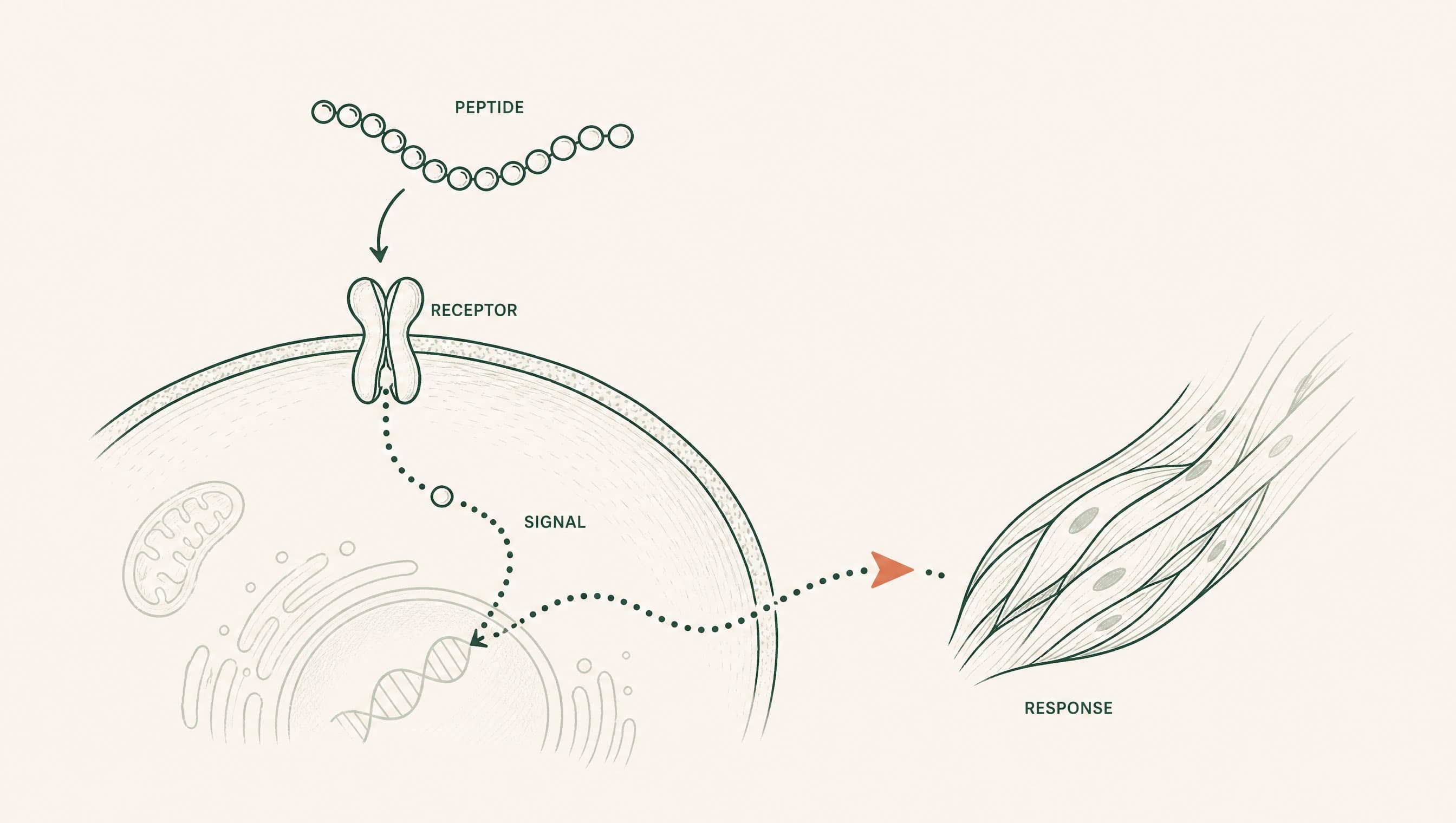
When sermorelin reaches the anterior pituitary, it binds a G-protein-coupled receptor called GHRHR sitting on the surface of somatotroph cells. That binding kicks off a cAMP signalling cascade inside the cell, which causes pre-packaged vesicles of growth hormone to release into the bloodstream. The downstream effect, in research observations, is a measurable GH pulse appearing in plasma within minutes.

How does sermorelin trigger pulsatile GH release?

Sermorelin binds pituitary receptors and triggers growth hormone release into the bloodstream within minutes.

Two features of that pulse matter for the rest of this article:

  1. It's brief. Sermorelin's plasma half-life is roughly 7 minutes, similar to native GHRH itself. The signal is gone fast.
  2. It's gated by feedback. Your hypothalamus is also releasing somatostatin, the brake pedal. If somatostatin is high, sermorelin's signal gets blunted. If IGF-1 in circulation is already high, that adds another brake.

That feedback structure is the reason sermorelin protocols cluster around bedtime dosing. Endogenous GH release peaks roughly 60 to 90 minutes after sleep onset, during slow-wave sleep, when somatostatin tone is low and the GHRH signal is loudest. Dosing sermorelin before sleep onset has been observed in research to amplify those existing pulses rather than trying to force a new one against the brake.

In our protocol design work, the bedtime-window question has come up repeatedly when researchers compare sermorelin to longer-acting GHRH analogs. The pulsatile-mimicry argument hinges on respecting that natural rhythm rather than overriding it.

A short note on receptor pharmacology. The GHRHR receptor desensitises with continuous high-dose stimulation, which is well-described in older endocrine pharmacology work. That's part of why intermittent dosing (one pulse per night) makes more biological sense than a long-half-life flood (more on this in the cycling section below). Research suggests the receptor responds best when given recovery windows.

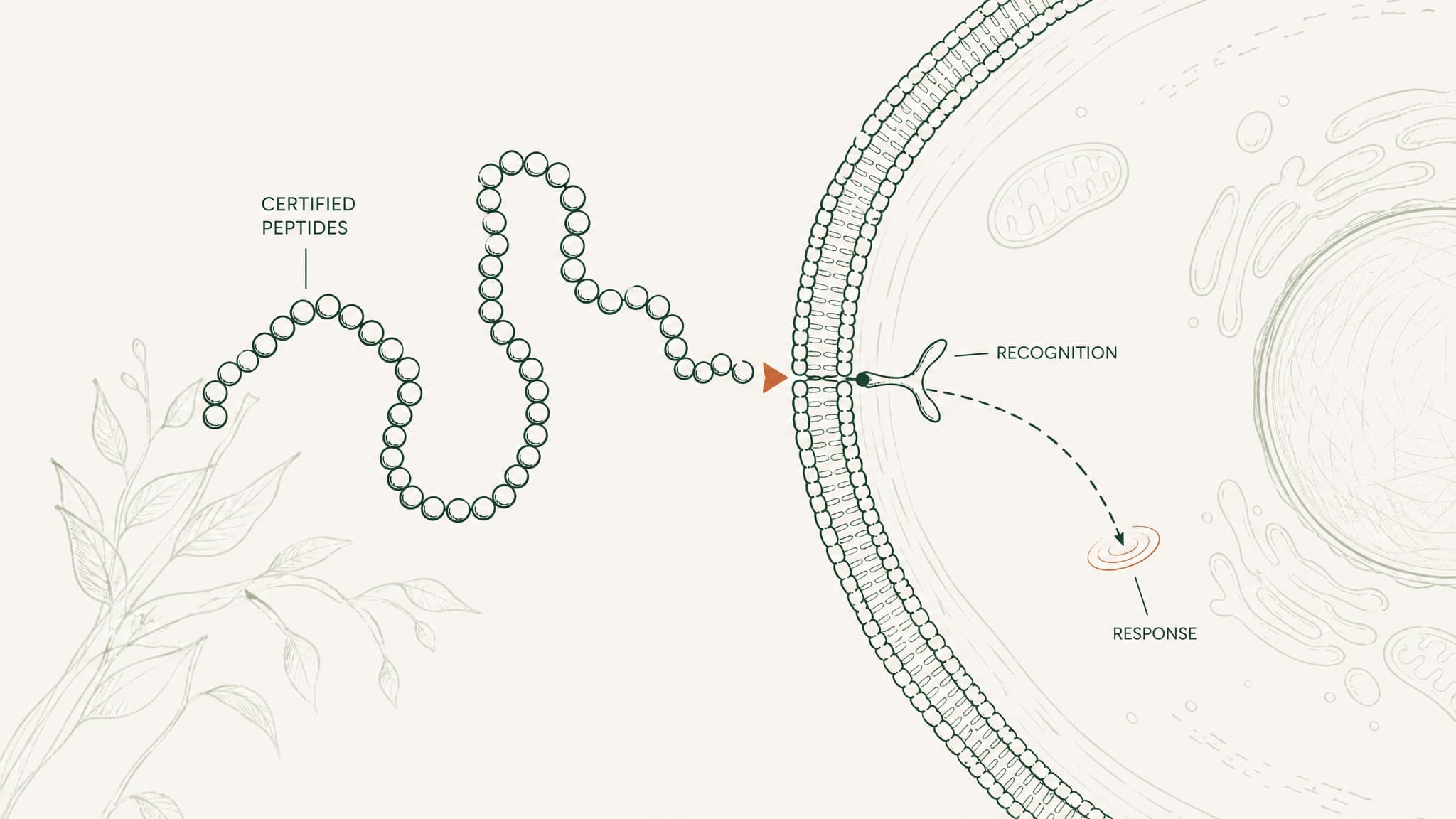
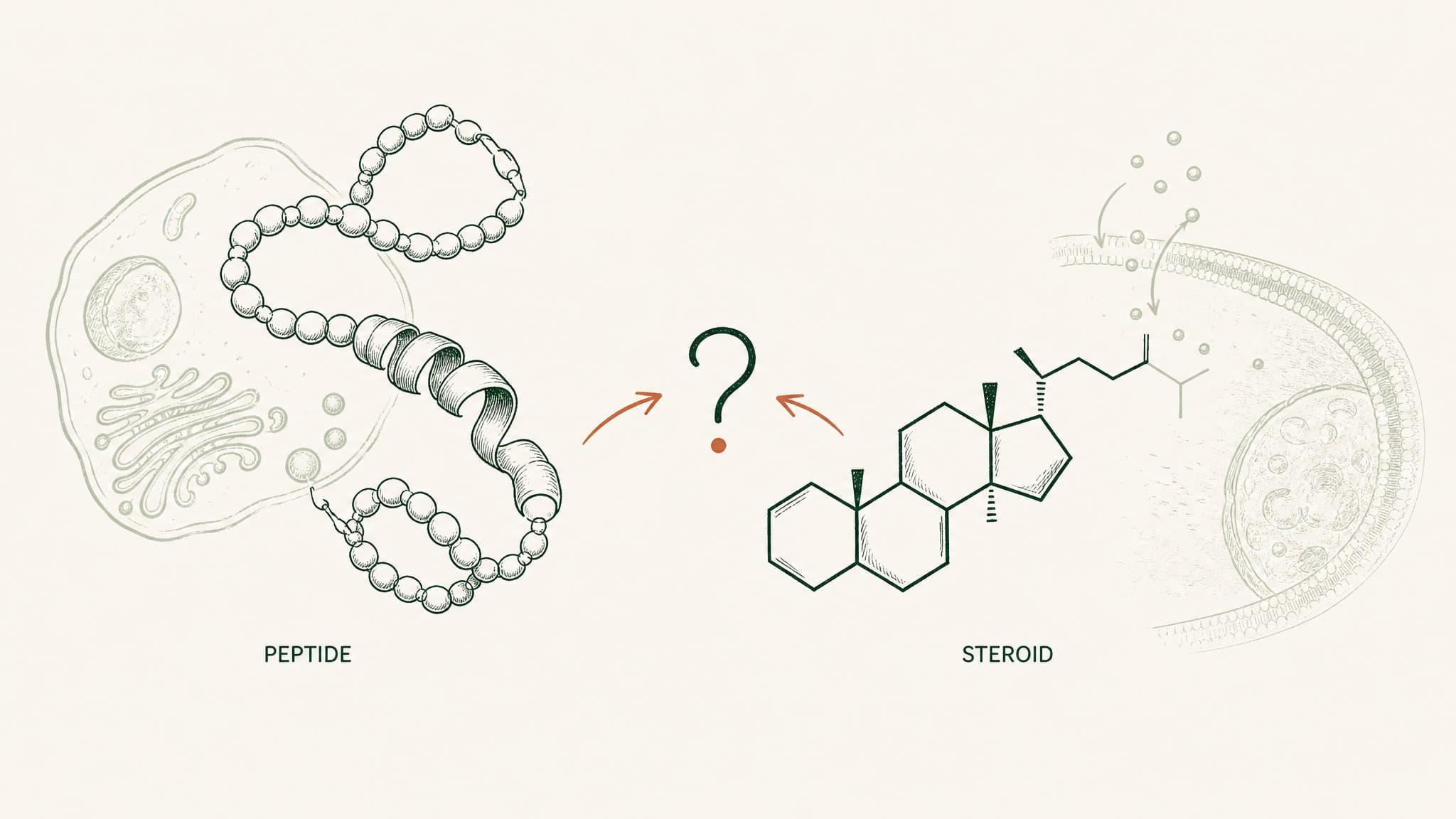
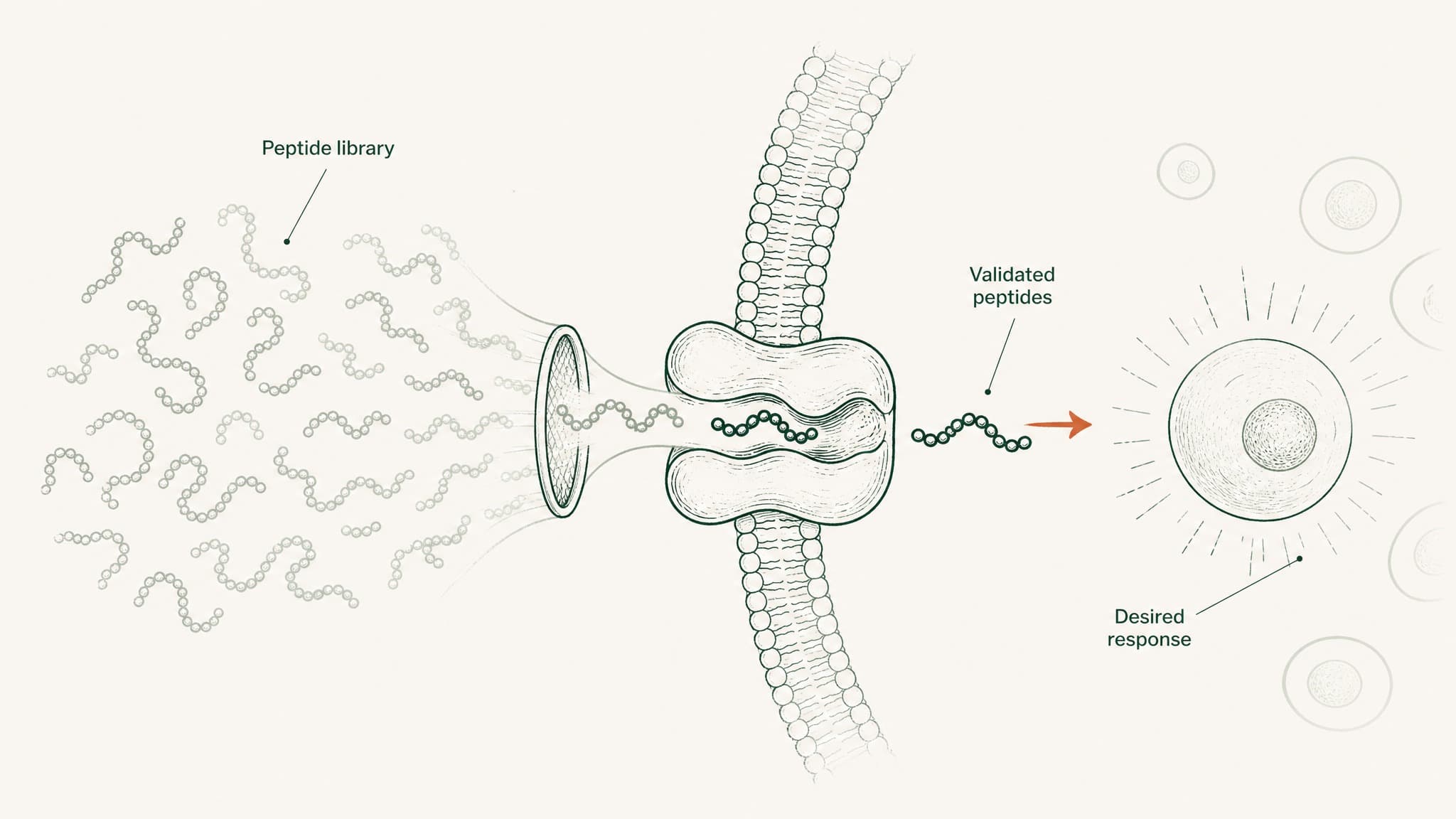
For a plain-English read on how peptide signalling molecules actually reach their receptors, our explainer on how peptide molecules cross cell membranes covers the broader uptake science.

How is sermorelin different from direct HGH?

Injecting growth hormone directly does what you'd expect: it bypasses every layer of upstream control and forces GH into circulation. The pituitary isn't asked. The hypothalamus isn't asked. The feedback loops that normally keep GH in a healthy daily range get overridden.

Sermorelin sits one rung upstream, at the signal stage. Because it works through your own pituitary, the feedback loops still apply. If your IGF-1 climbs too high, somatostatin rises, and the next sermorelin-driven pulse gets smaller. The system self-limits.

How is sermorelin different from direct HGH?

Sermorelin triggers your pituitary to release GH naturally; direct injection skips that step and blocks feedback control.

Here's the side-by-side that researchers reach for when comparing the two approaches:

Feature Sermorelin (GHRH analog) Recombinant hGH (direct)
Acts on Pituitary somatotroph cells Liver, muscle, fat directly
Preserves feedback loops Yes, IGF-1 negative feedback intact No, bypasses feedback
Release pattern Pulsatile, mimics endogenous rhythm Sustained, non-physiological
Plasma half-life ~7 minutes (sermorelin) ~3.4 hours (rhGH subcutaneous)
Regulatory status (US, 2026) No FDA-approved finished product; compounded Multiple FDA-approved finished products
Cost band (research/compounded) Lower, typically a fraction of branded rhGH Significantly higher per equivalent IGF-1 lift

The feedback-loop argument is the one researchers cite most. Walker's 2006 review in Clinical Interventions in Aging framed sermorelin as preserving "the physiological hypothalamic-pituitary-somatotrophic axis" while exogenous GH disrupts it. That framing is still cited in the 2020s longevity literature.

There's also a tachyphylaxis question. Direct rhGH at supraphysiological doses has been observed in published research to downregulate GH receptors over time and blunt response. Sermorelin, by maintaining feedback control, has been described in older Vittone and Khorram work as producing more durable IGF-1 elevations across multi-month dosing windows in older adults. Whether that translates to meaningful long-term outcomes is a much narrower question. The mechanism story is clear; the outcome story is still thin.

Where does sermorelin sit in the GHRH and GHRP family?

Sermorelin is one of several peptides that signal the pituitary to release GH. They split into two structural families that work through different receptors but often get stacked together in research.

The two families:

Where does sermorelin sit in the GHRH and GHRP family?

Two different peptide families trigger growth hormone release through separate receptors on the pituitary gland.

  • GHRH analogs bind the GHRH receptor. Sermorelin, tesamorelin, and CJC-1295 all sit here.
  • GH secretagogues (GHRPs) bind a different receptor (the ghrelin / GHS-R receptor) and produce GH release through a parallel pathway. Ipamorelin, hexarelin, and GHRP-6 sit here.

When researchers stack a GHRH analog with a GHRP, they're hitting two receptors at once. The classic example is CJC-1295 paired with ipamorelin. The signals add up rather than just doubling one of them, which is why the combination gets used in research even though direct human RCT data for the stack remains sparse.

Here's how the five most-discussed peptides in this space line up:

Peptide Class Plasma half-life Typical research dose Primary research focus
Sermorelin GHRH analog (1-29 fragment) ~7 minutes 200-500 mcg subcutaneous nightly Adult GH decline, body composition
Tesamorelin GHRH analog (stabilised) ~26 minutes 2 mg subcutaneous daily HIV-associated visceral fat (FDA-approved)
CJC-1295 (no DAC) GHRH analog ~30 minutes 100-200 mcg per dose GH pulse amplification
CJC-1295 (with DAC) GHRH analog, albumin-bound ~5-8 days 1-2 mg weekly Sustained IGF-1 elevation
Ipamorelin GHRP (ghrelin receptor) ~2 hours 100-300 mcg per dose Selective GH release, no cortisol or prolactin spike

A few read-the-table notes. Tesamorelin is the only entry on this list with current FDA approval, and that approval is for HIV-associated lipodystrophy specifically, not for general longevity use. Falutz and colleagues established that profile in the 2008 AIDS journal long-term safety data. The half-life column matters because it predicts dosing rhythm: short-half-life peptides like sermorelin are dosed nightly to mimic endogenous pulses, while the DAC-modified CJC-1295 was engineered for once-weekly dosing because Teichman et al. demonstrated GH and IGF-1 elevation lasting roughly a week after a single dose in their 2006 JCEM paper.

For VERO members researching protocol direction, the family map matters because the right peptide depends entirely on what you're researching. Sermorelin is the cleanest pulsatile-mimicry option in the GHRH side of the family. Members exploring longevity-leaning protocols can compare options on our LEGACY Protocol overview.

For ipamorelin specifically, Raun's 1998 European Journal of Endocrinology paper that first characterised it remains the foundation reference; the selectivity story (no prolactin or cortisol bump) is what made it a popular GHRP for stacking with sermorelin or CJC-1295.

Why has sermorelin historically required subcutaneous injection?

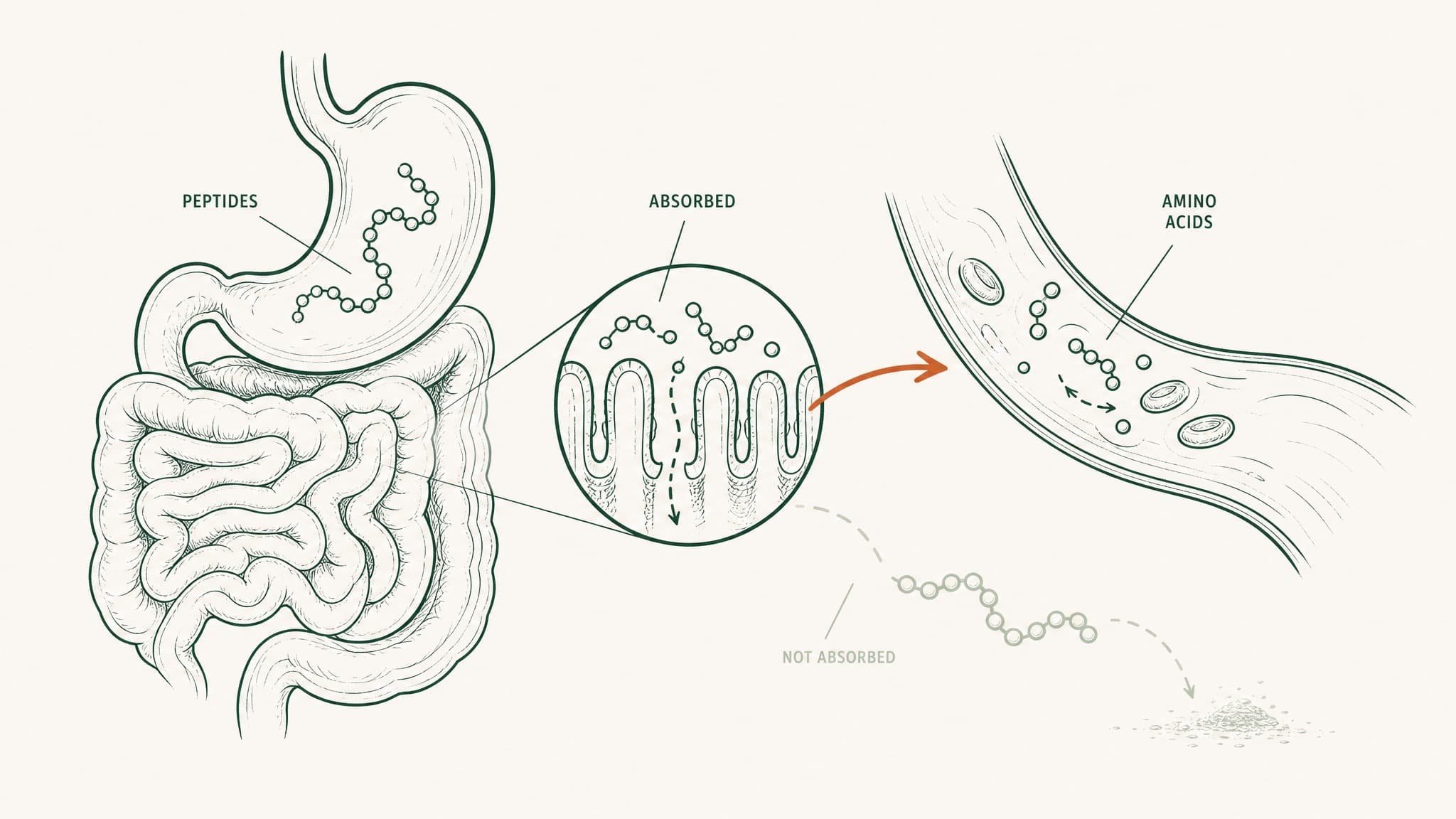
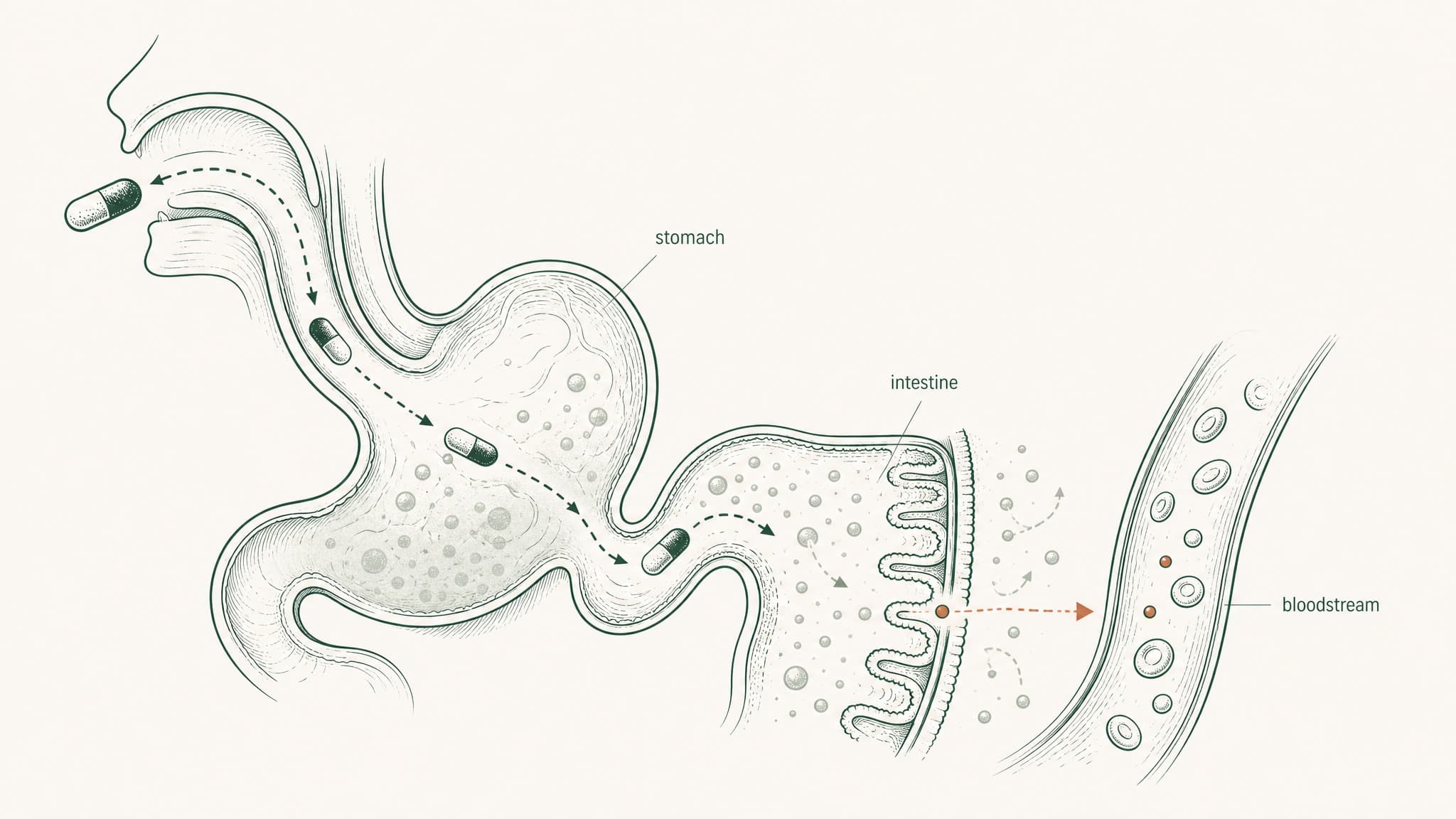
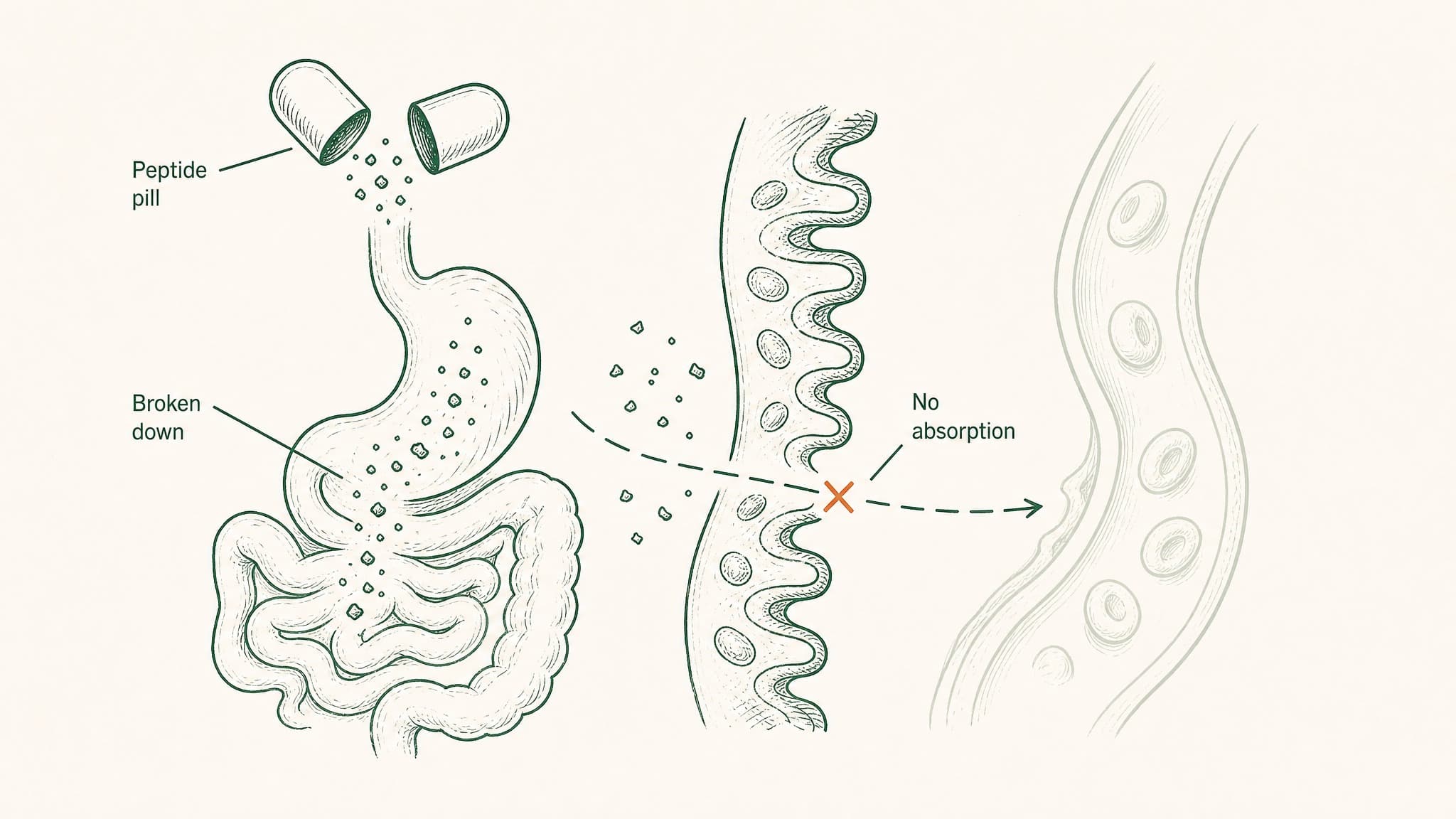
The honest reason peptides like sermorelin have been injection-only for thirty years is that your digestive system is a peptide-destroying machine. It evolved to break exactly these kinds of molecules apart so it can absorb the amino acids and use them for raw material.

Swallow a sermorelin capsule and three things happen, all of them bad for the molecule:

Why has sermorelin historically required subcutaneous injection?

How stomach acid, intestinal enzymes, and liver clearance destroy sermorelin before it reaches the bloodstream.

  1. Stomach acid denatures it. The acidic environment (pH ~2) unfolds the peptide's three-dimensional shape before it ever gets to the small intestine.
  2. Brush-border peptidases chop it up. The lining of your small intestine is covered in enzymes designed specifically to slice peptide bonds. A 29-amino-acid sermorelin chain gets reduced to fragments within minutes.
  3. First-pass hepatic clearance finishes the job. Whatever survives intestinal absorption then runs through the portal vein straight to your liver, which clears most peptide remnants before they ever reach systemic circulation.

The result is that oral bioavailability for a peptide this size sits at roughly less than 1% in the published pharmacology. That's why no oral capsule form of sermorelin has produced research-grade plasma levels in humans. For a deeper read on the absorption barrier, our guide on why oral peptides historically fail and the sublingual vs oral peptide absorption comparison both cover the underlying physiology.

Subcutaneous injection sidesteps all three barriers. The peptide goes directly into the tissue beneath your skin, where it's absorbed into capillary blood over roughly 30 minutes. Bioavailability for subcutaneous sermorelin has been reported at over 80% in published pharmacology studies, which is why every research protocol uses this route.

The downside, predictably, is that it's an injection. Daily subcutaneous administration is a meaningful adherence barrier for any long-term research protocol, which is why delivery-format science is having a moment in 2026 peptide research.

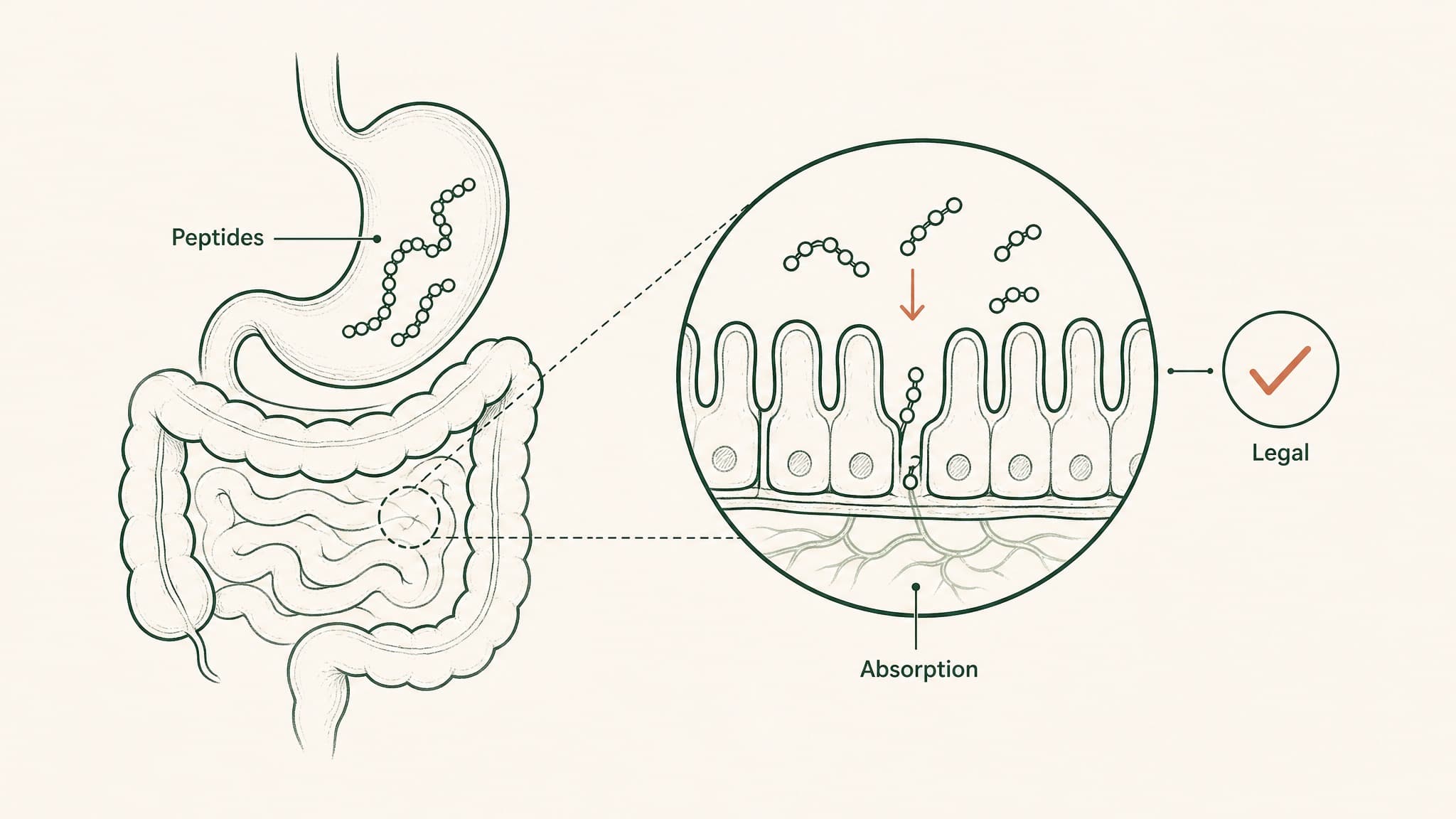
Can sermorelin be taken sublingually?

The sublingual question is the most active research conversation in peptide delivery right now, and sermorelin is squarely in it. The mechanical logic is straightforward.

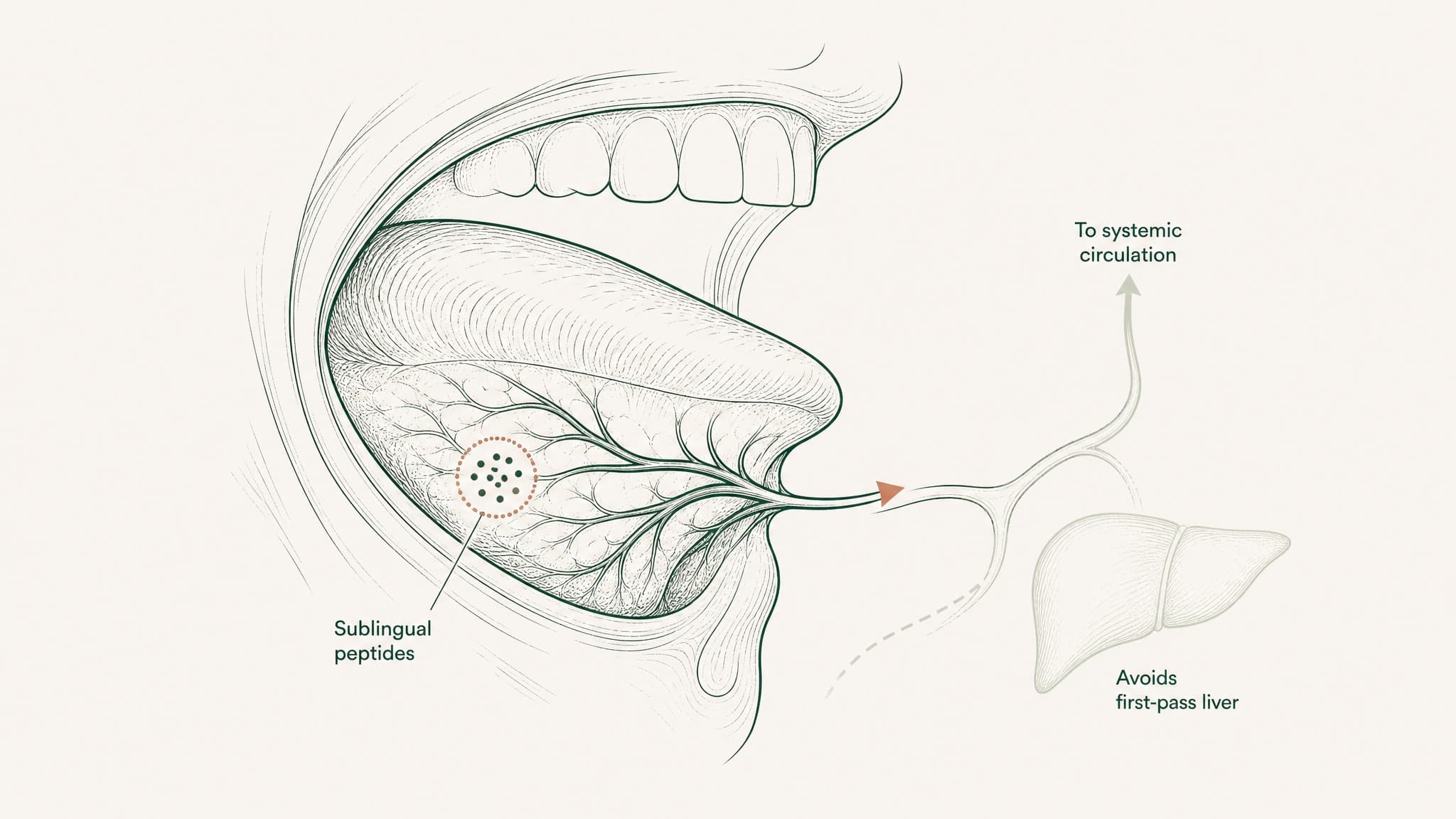
Under your tongue is a thin, highly vascularised tissue called the buccal mucosa. Molecules absorbed here go directly into the systemic venous circulation without passing through the stomach, the intestinal lining, or first-pass hepatic clearance. That's the same advantage that makes nitroglycerin tablets work sublingually in cardiac care. The route, in principle, is open to peptides.

Can sermorelin be taken sublingually?

Sublingual absorption bypasses the stomach and liver, sending peptides directly into the bloodstream.

What buccal absorption removes from sermorelin's degradation path:

  • No gastric acid exposure (avoids denaturation)
  • No brush-border peptidase exposure (avoids enzymatic cleavage)
  • No first-pass hepatic clearance (more of the dose reaches circulation)
  • Faster onset relative to oral capsule formats (research suggests minutes, not hours)

The catch with sublingual peptide delivery has always been getting a large enough fraction of the molecule across the buccal epithelium before it gets swallowed and routed through the GI tract anyway. That's where formulation science (permeation enhancers, mucoadhesive matrices, particle-size engineering) becomes the entire game.

The VERO research framing here is deliberate. We position our VERISORB sublingual delivery technology as a research platform for studying buccal-route peptide absorption, not as a finished therapeutic for sermorelin specifically. Research purposes only. Whether sublingual sermorelin reaches subcutaneous-equivalent bioavailability in human pharmacokinetic studies is an open question the field is actively working on. The mechanistic case is strong; the published human PK data for sermorelin via this route specifically is still small. That's the honest read.

What dose ranges does published research use?

Across thirty years of published sermorelin research, doses cluster in a narrower range than the marketing copy on most clinic sites suggests. The typical adult research dose is 200 to 500 mcg subcutaneously at bedtime, daily. Higher doses have been studied but show diminishing returns due to the feedback loops described above.

A few published reference points:

Study (lead author, year) Population Dose & duration Primary outcome measured
Vittone et al., Metabolism 1997 Healthy elderly men 1 mcg/kg nightly, 6 weeks GH and IGF-1 response
Khorram et al., JCEM 1997 Age-advanced men and women 10 mcg/kg nightly, 16 weeks IGF-1, body composition
Corpas et al., JCEM 1993 Older men Continuous infusion, 14 days GH and IGF-1 pulse architecture
Walker, Clin Interv Aging 2006 Review, adult GHD Synthesis of prior dosing data Mechanism, safety, dosing range

Worth noting: those older studies often reported dose in mcg/kg of body weight, while modern compounding pharmacies and research protocols tend to use flat-dose protocols (e.g., 300 mcg fixed). For an 80 kg adult, the older 1 mcg/kg dose translates to roughly 80 mcg, which is on the low end of what's currently used in research settings.

Timing observations are remarkably consistent across the literature. Bedtime dosing, specifically within 30 minutes of sleep onset, produces the largest GH response. Splitting daily doses across multiple windows hasn't been shown to outperform a single nightly pulse in published comparisons, because the goal is mimicking the endogenous pulsatile rhythm rather than maintaining a flat plasma level.

What outcomes has research actually observed?

Research-observed outcomes for sermorelin cluster around four domains. Discussing each one separately is the only honest way to read the literature, because the evidence base differs dramatically across them.

Body composition and lean mass

What outcomes has research actually observed?

How nighttime growth hormone pulses trigger IGF-1 release from the liver during deep sleep.

Khorram's 1997 JCEM paper observed measurable IGF-1 elevation and lean body mass changes across 16 weeks of nightly sermorelin in age-advanced adults. The effect size was modest, not dramatic. Vittone's 1997 work in Metabolism showed similar IGF-1 trajectories but didn't establish a hypertrophy endpoint in trained adults. For readers comparing GH-axis peptides on muscle outcomes specifically, our peptides for muscle growth research map sets the broader evidence picture.

Sleep architecture and slow-wave sleep

Some of the cleanest research signals on sermorelin sit in sleep architecture data. Research suggests that increasing nighttime GH pulses can extend slow-wave sleep duration, which is the deepest restorative phase of sleep. The mechanism is bidirectional: GH release peaks during slow-wave sleep naturally, and boosting that pulse appears to reinforce the phase. Older work by Steiger and colleagues on GHRH and sleep EEG established this link in healthy adults.

Recovery markers and IGF-1 trajectory

IGF-1 is the downstream protein that does most of the actual signalling to muscle, bone, and connective tissue after a GH pulse. In published sermorelin studies, IGF-1 typically rises into the upper end of the age-adjusted reference range within 2 to 8 weeks of nightly dosing, then plateaus. Whether that IGF-1 lift translates into clinically meaningful recovery improvements in trained adults has not been established in published RCTs.

Subjective wellbeing markers

This is the softest domain, and it's where outcome claims most often overshoot the data. Older sermorelin research in adults with GH deficiency reported quality-of-life improvements on standardised endocrine questionnaires. Healthy-adult longevity protocols often cite similar subjective changes, but the published controlled data in that population is thin. Users report energy and recovery improvements anecdotally, and members experience varied responses across protocols; the controlled-trial picture is much narrower than either source suggests.

The honest summary across all four domains: mechanism is well-established, IGF-1 response is reproducible, downstream clinical outcomes in healthy adults remain understudied. That's the calibration that should guide any research-purposes-only interpretation.

Why do researchers cycle sermorelin?

The receptor-desensitisation question is the main reason sermorelin protocols are usually cycled rather than run continuously. The biology is straightforward.

Continuous high-amplitude stimulation of the GHRH receptor downregulates it. Somatotrophs respond less to each subsequent pulse. IGF-1 trajectory flattens. The system adapts to the signal and tunes it down.

Why do researchers cycle sermorelin?

Continuous sermorelin stimulation causes somatotroph receptors to downregulate, reducing growth hormone output over time.

Three cycling considerations that come up in the research literature:

  1. Pulsatile mimicry over flat dosing. Single nightly pulses respect the natural rhythm; multiple daily injections have not been shown to outperform that pattern.
  2. On-off cycling across months. Common research patterns use 3 to 6 month dosing windows followed by 4 to 8 week washout periods to restore receptor sensitivity.
  3. IGF-1 monitoring. Research protocols that track IGF-1 every 4 to 8 weeks can detect plateau or rebound effects that indicate the receptor is saturating.

That said, sermorelin's brief 7-minute half-life makes it relatively forgiving on the desensitisation front compared to longer-half-life GHRH analogs like CJC-1295 with DAC. The signal clears fast. The receptor recovers between pulses. That's part of why researchers continue to favour sermorelin for studies that require physiological-looking GH dynamics across multi-month windows.

What side effects have studies reported?

The published side-effect profile for sermorelin in adult research populations is relatively contained, especially compared to direct rhGH. Most reported effects are mild and dose-dependent.

Effect Reported frequency in studies Notes
Injection site reactions Common, mild Redness or transient itch at the subcutaneous site
Headache Reported, dose-dependent More common at higher (>500 mcg) doses
Facial flushing Reported, transient Linked to vasodilatory effect of GHRH binding
Paresthesia (tingling) Less common Reported at higher doses, usually resolves on dose reduction
Nausea Uncommon Reported in older clinical trial settings
Joint pain or stiffness Uncommon More associated with direct rhGH than sermorelin

Contraindications reported across published trials include active malignancy, pregnancy, known hypersensitivity to GHRH analogs, and uncontrolled diabetes. Drug interaction notes most often cite glucocorticoids (which can blunt GH response) and thyroid hormone status (which affects IGF-1 trajectory).

None of the above is a recommendation or medical advice. The compliance framing has to be clear: this is research-observed data from controlled-trial settings, not a guide to using sermorelin outside of one. Anyone researching sermorelin should be doing so under appropriate clinical supervision, full stop.

Who has sermorelin been studied in?

The published research on sermorelin spans three broad populations, and the conclusions don't transfer cleanly across them.

  • Pediatric short-stature trials. Children with idiopathic GH deficiency drove the original Geref FDA approval data set in the 1990s. Largely historical use case now.
  • Adult-onset GH deficiency. Clinical populations with documented GH insufficiency, smaller cohorts, dosed by endocrinologists.
  • Healthy older adults. The longevity research lineage running through Vittone, Khorram, Corpas, and Walker. Cohorts typically 50 to 75 years old.

The adult and longevity studies measured IGF-1 response, body composition shifts, and sleep architecture markers across multi-week windows. None of those endpoints translates directly to "what will happen if a healthy 35-year-old uses sermorelin," which is a population the published literature simply hasn't covered.

None of that constitutes a recommendation. The populations studied don't include trained athletes, younger healthy adults, or chronic high-dose users, which means extrapolating outside the studied populations is exactly the kind of move research-purposes-only framing exists to discourage. Members exploring protocol direction can compare longevity-lens peptide research on our LEGACY Protocol overview, and read our broader guide on how to choose a peptide protocol before going further.

Sermorelin FAQ

Is sermorelin a peptide?

Yes. Sermorelin is a 29-amino-acid peptide identical to the first 29 residues of human growth hormone-releasing hormone (GHRH). It binds the GHRH receptor on pituitary somatotroph cells and triggers release of your body's own growth hormone in pulses.

How long does sermorelin take to show changes in IGF-1 in research?

Published studies typically report measurable IGF-1 elevation within 2 to 8 weeks of nightly subcutaneous dosing in adult research populations, with values plateauing in the upper end of the age-adjusted reference range. Walker's 2006 review synthesised the prior dosing literature on this trajectory.

Sermorelin vs ipamorelin: what does the research show?

Sermorelin is a GHRH analog (binds the GHRH receptor); ipamorelin is a GH secretagogue (binds the ghrelin receptor). They produce GH release through separate pathways and are sometimes stacked in research because the signals add together. Ipamorelin is selective enough that, in Raun's 1998 work, it didn't raise cortisol or prolactin at research doses.

Can sermorelin be taken sublingually?

Sublingual delivery of sermorelin is an active research area. The buccal mucosa offers direct venous absorption bypassing gastric degradation and first-pass hepatic clearance, which is the mechanistic case. Whether sublingual formats reach subcutaneous-equivalent plasma levels in human PK studies remains an open question and depends on formulation specifics.

Is sermorelin FDA-approved in 2026?

No finished sermorelin product is currently FDA-approved in the US. Geref was approved in 1997 and withdrawn for commercial (not safety) reasons in 2008. Compounded sermorelin remains available through 503A pharmacies for research and clinical use.

How long do research protocols typically run?

Most published sermorelin research uses dosing windows of 6 to 26 weeks. Longevity-oriented protocols cited in newer literature describe 3 to 6 month cycles followed by washout periods to manage receptor desensitisation.

What is the half-life of sermorelin?

Sermorelin's plasma half-life is roughly 7 minutes, very similar to native GHRH. That short window is why nighttime dosing aligns with the endogenous GH pulse and why the molecule produces a clean, brief signal rather than sustained receptor activation.

Key Takeaways

  • Sermorelin is a 29-amino-acid GHRH analog that nudges your own pituitary to release growth hormone in pulses, rather than replacing GH directly.
  • Research suggests the molecule preserves the GH and IGF-1 feedback loops that direct rhGH bypasses, which is the central pharmacological argument for using it.
  • Plasma half-life is roughly 7 minutes; nightly bedtime dosing of 200 to 500 mcg subcutaneously is the published research range.
  • Sermorelin sits in the GHRH family alongside tesamorelin and CJC-1295; ipamorelin is a different family (GHRP) and is often stacked rather than substituted.
  • Oral delivery is destroyed by GI proteases (less than 1% bioavailability); subcutaneous injection has been the standard research route.
  • Sublingual buccal-route delivery is the newest research frontier; mechanism is sound, human PK for sermorelin specifically via this route is still developing.
  • No finished sermorelin product is currently FDA-approved; Geref was withdrawn for commercial reasons in 2008.
  • Cycling matters because the GHRH receptor desensitises with continuous high-amplitude stimulation; pulsatile mimicry is the design goal.

References

  • Walker RF. Sermorelin: a better approach to management of adult-onset growth hormone insufficiency? Clinical Interventions in Aging. 2006;1(4):307-308. https://pubmed.ncbi.nlm.nih.gov/18046906/. Retrieved 2026-05-29.
  • Vittone J, Blackman MR, Busby-Whitehead J, et al. Effects of single nightly injections of growth hormone-releasing hormone (GHRH 1-29) in healthy elderly men. Metabolism. 1997;46(1):89-96. https://pubmed.ncbi.nlm.nih.gov/9005976/. Retrieved 2026-05-29.
  • Khorram O, Laughlin GA, Yen SS. Endocrine and metabolic effects of long-term administration of [Nle27]growth hormone-releasing hormone-(1-29)-NH2 in age-advanced men and women. Journal of Clinical Endocrinology and Metabolism. 1997;82(5):1472-1479. https://pubmed.ncbi.nlm.nih.gov/9141537/. Retrieved 2026-05-29.
  • Corpas E, Harman SM, Pineyro MA, Roberson R, Blackman MR. Continuous subcutaneous infusions of growth hormone (GH) releasing hormone 1-44 for 14 days increase GH and insulin-like growth factor-I levels in old men. Journal of Clinical Endocrinology and Metabolism. 1993;76(1):134-138. https://pubmed.ncbi.nlm.nih.gov/8421076/. Retrieved 2026-05-29.
  • Teichman SL, Neale A, Lawrence B, Gagnon C, Castaigne JP, Frohman LA. Prolonged stimulation of growth hormone (GH) and insulin-like growth factor I secretion by CJC-1295, a long-acting analog of GH-releasing hormone, in healthy adults. Journal of Clinical Endocrinology and Metabolism. 2006;91(3):799-805. https://pubmed.ncbi.nlm.nih.gov/16352683/. Retrieved 2026-05-29.
  • Falutz J, Allas S, Mamputu JC, et al. Long-term safety and effects of tesamorelin, a growth hormone-releasing factor analogue, in HIV patients with abdominal fat accumulation. AIDS. 2008;22(14):1719-1728. https://pubmed.ncbi.nlm.nih.gov/18753925/. Retrieved 2026-05-29.
  • Raun K, Hansen BS, Johansen NL, et al. Ipamorelin, the first selective growth hormone secretagogue. European Journal of Endocrinology. 1998;139(5):552-561. https://pubmed.ncbi.nlm.nih.gov/9849822/. Retrieved 2026-05-29.
  • Sigalos JT, Pastuszak AW. The Safety and Efficacy of Growth Hormone Secretagogues. Sexual Medicine Reviews. 2018;6(1):45-53. https://pubmed.ncbi.nlm.nih.gov/28760454/. Retrieved 2026-05-29.

This article is published for research purposes only and is not medical advice. Sermorelin is not a VERO product. Members researching longevity-leaning peptide protocols can explore the LEGACY Protocol overview, or read our companion guide on how to choose a peptide protocol →

Clinical Protocol

LEGACY™

NAD+
$189 / 30-day supply/ mo

Engineered around 300mg NAD+. Replenishes systemic NAD+ levels and drives mitochondrial function

Clinical Context

Important Notice: VERO protocols are nutritional and systemic optimisation formats. They are not intended to diagnose, treat, cure, or prevent any medical condition. These statements have not been evaluated by the Food and Drug Administration.

Citations & Evidence

Medical Disclaimer

These statements have not been evaluated by the Food and Drug Administration. This product is not intended to diagnose, treat, cure, or prevent any disease. Consult a qualified healthcare provider before beginning any new supplement protocol. Not suitable for individuals under 18, pregnant or nursing women, or those taking prescription medication without medical supervision.

Systemic Optimization

Ready to start your protocol?

View Protocol Details